collection seven, furniture guide, interior design
Durable Sofa Fabrics: What to Look For
Durability Is a System, Not a Single Factor
When the question of sofa fabric durability comes up, the conversation usually moves quickly to rub count — the Martindale or Wyzenbeek figure that quantifies how many times a fabric can be abraded before it shows wear. This number is useful and worth knowing. But it is far from the complete picture.
The durability of an upholstered sofa in real domestic use depends on a system of interrelated factors: the fibre type and construction of the fabric; the quality of the frame and upholstery work beneath the fabric; the way the sofa is used; and the care it receives over its lifetime. A fabric with an excellent rub count applied over a poorly built frame will still fail. A fabric with a modest rub count, properly maintained and used with some care, can look beautiful for decades. Understanding durability as a system rather than a single metric leads to much better decisions.
The Frame: Where Durability Begins
The most significant determinant of a sofa's long-term performance is something you will never see once the upholstery is applied: the frame. A hardwood frame — kiln-dried ash or beech, properly jointed with mortise and tenon or equivalent structural connections — will maintain its integrity for the lifetime of the piece. It will not warp, rack or flex under sustained use. It provides the stable substrate that upholstery requires to hold its shape and tension over years.
A softwood frame, or one built from engineered wood products, will not perform to the same standard. It may look identical when new. But it will begin to show its limitations — subtle at first, then more pronounced — as sustained use and time reveal the quality, or lack of it, in the underlying construction.
All Collection Seven pieces are built on quality hardwood frames, handcrafted in London. This is not a marketing claim — it has direct implications for how the piece performs over the decades of its useful life. The upholstery is only as good as what it sits on.
Linen: The Most Durable Everyday Choice
For households where the sofa is in regular, daily use — families, homes where the living room is the primary social space, rooms where the furniture is genuinely lived in rather than carefully preserved — linen is the most practically durable upholstery choice available.
Linen's durability comes from several sources. The flax fibre itself is inherently strong — stronger, in fact, than cotton — and its natural irregularity of weave means that minor surface variation is absorbed into the fabric's existing texture rather than reading as wear. Linen spot-cleans reasonably well when spills are addressed promptly. It does not have a pile that can flatten or mark. And perhaps most usefully, it ages with character — a linen sofa that has been well-used and well-maintained for ten years develops a quality of softness and ease that a new piece lacks, rather than simply looking worn.
The Collection Seven linen range spans a wide palette from the palest chalk and cream through to deeper tones like espresso, walnut and truffle. Mid-tone linens — bamboo, parchment, terra — are among the most practical choices for households where the sofa sees significant use, as they manage visible marks and everyday variation more gracefully than the palest options while remaining within the warm neutral palette.
The Clarendon Sofa and the Albion Sofa are both available in the full linen range and are among the most practical sofa choices for everyday use, combining clean, durable silhouettes with fabrics that perform well over time.
Cloud Linen: Durability With Added Softness
The cloud linen sub-range — macadamia, cotton and canvas — has a softer, slightly more textured handle than the standard linens. It is a step closer to boucle in its tactile quality while retaining the practical properties of linen. For households that want the warmth and softness of a more textured fabric without compromising significantly on durability, cloud linen is a strong middle ground.
It performs similarly to standard linen in terms of cleaning and maintenance, and it has the same aging properties — developing character over time rather than simply deteriorating. In macadamia or cotton cloud linen, it creates a warm, slightly more relaxed version of the linen aesthetic that suits rooms where a softer, more organic atmosphere is wanted.
Mohair Velvet: High Reward, Active Maintenance
Velvet is the fabric that most often generates durability concerns — and in most cases, those concerns are somewhat overstated. Velvet is not a fragile fabric. It is, however, one that requires active maintenance rather than passive neglect, and understanding the difference between these two approaches is key to using velvet well.
The primary vulnerability of velvet is pile flattening. Sustained pressure — sitting consistently in the same position, cushions resting against the back for extended periods — will gradually flatten the pile in those areas. This is not irreversible: lightly steaming the affected area and gently brushing the pile in its natural direction will restore the surface in most cases. But it does require attention that a flat-weave fabric does not.
Mohair velvet — which forms a significant portion of the Collection Seven fabric palette — is notably more durable than standard cut velvet. The mohair fibre (from the Angora goat) has exceptional tensile strength relative to its softness. The pile is longer and more resilient than standard velvet, with better recovery from pressure. Shades like oatmeal, smoke, dune, carob and cocoa mohair velvet are among the more durable velvet options available and will perform well over many years with appropriate care.
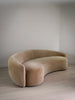
Velvet sofas are generally not the first choice for households with very young children or dogs that shed and climb on furniture. For households without these specific pressures, mohair velvet is a deeply rewarding long-term choice — one that becomes more beautiful, not less, as it settles into the specific light conditions and use patterns of its room. The Golborne Sofa in oatmeal mohair velvet is a particularly compelling example of how this fabric performs over time.
Boucle: Practical Warmth
Boucle occupies a useful middle ground between the practical durability of linen and the material richness of velvet. Its looped-pile surface has genuine tactile and visual character, and it performs well under moderate everyday use. It does not show pile marks in the way velvet does. It does not require the active maintenance regime that velvet benefits from. And its textured surface effectively conceals minor marks and everyday variation that would be more visible on a smooth weave.
The one specific vulnerability of boucle is its susceptibility to snagging — the looped surface can be caught by sharp objects or pet claws, pulling individual loops out of the weave. This creates a visible defect that is difficult to reverse. In households with cats or dogs that access the furniture, boucle requires some consideration. For households without this specific risk, it is a durable and highly rewarding fabric choice.
The Collection Seven boucle palette — ivory, ecru, beige, oyster, coconut, bone — is particularly well suited to the sofas with more architectural, less organic silhouettes, where the texture of the boucle provides the warmth and character that the form does not supply through curvature alone.
Faux Shearling: The Accent Fabric
Faux shearling is best understood as an accent fabric rather than a primary sofa material. Its deep, inviting pile is more susceptible to flattening with sustained heavy use than the harder-wearing linens and velvets. It performs best on occasional chairs and accent pieces that receive regular but not intensive daily use.
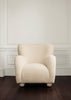
The Pembridge Chair in cream, natural or putty faux shearling is the most compelling application of this fabric in the range — the occasional-use nature of an armchair means the fabric receives appropriate rather than excessive wear, and the result over time is a piece that has settled and softened beautifully.
Practical Maintenance for All Upholstery
Regardless of fabric type, a few universal practices extend the life of upholstered furniture significantly. Keep pieces out of direct sustained sunlight where possible — UV exposure is one of the most significant causes of premature fading and fibre degradation in all upholstery fabrics. Address liquid spills immediately — blotting rather than rubbing, working from the outside of the mark inward. Use a soft brush periodically to remove dust and loose debris from the surface. And rotate cushion use where possible, so that wear is distributed evenly rather than concentrated in one position.
For guidance on the specific care requirements of any Collection Seven fabric, contact the team directly. The right maintenance approach for a specific fabric will always be more useful than generic advice. And for those still deciding which fabric suits their household, fabric swatches are the essential first step — assessing the material in your actual room, with your actual household, before committing.